A Heraklion food tour walks the centre of the Cretan capital from the market street to its bakeries, meze tables and old cafes, tasting the pies, cheeses, cured meats, spirits and sweets of Crete along the way. This post covers what a Heraklion food tour includes, the market, the pies and rusks, the meze, tsikoudia and the local wines, bougatsa and the other sweets, the history behind the food and the best season. It is one of the food and culture tours in Greece on Greece VIP.
Each section ends with a Heraklion food tour that can be booked online.
What does a Heraklion food tour include?
A Heraklion food tour is a tasting walk through the capital of Crete. It links the central market, the bakeries and the tavernas, and it serves the staples of Cretan cuisine: herbs, cheeses, olives, honey, pies and rusks, all built on plant food and seasonal produce.
Heraklion is fourth in Greece by city size, and no island city is bigger. In 2017 Euromonitor named it Europe’s fastest growing tourism destination, with 11.2% growth in international arrivals, and in 2018 the city counted 3.4 million visitors. The capital of Crete has sat in Heraklion again since 1971. A Heraklion food tour gives that stream of visitors a way into the local table, one tasting at a time.
The traditional food of Crete falls into three groups: appetizers, specialities and drinks. The appetizer group holds the foods of the bakery and the dairy, such as paximadi, kalitsounia, mizithropita and graviera, beside pork charcuterie and pickled bulbs. Specialities add meat, fish and sweets. A Heraklion food tour draws mostly on the first group, because market stalls and bakeries sell the cheeses, pies and rusks.
Plants carried the traditional Cretan menu, and animal food played a supporting role. Poultry and fish arrived weekly in moderate quantities, red meat only a handful of times a month, and honey pastry a handful of times a week. Habits shifted from the 1960s onward, as better living standards brought more meat and other animal produce. A Heraklion food tour follows the older pattern through produce, pies and rusks.
A tasting walk differs from a sightseeing tour of the city. A Heraklion tour reads the old harbour, the fortifications and the museums as monuments, while a Heraklion food tour reads the same streets through what they sell and serve. The route stops at market stalls, at bakeries and at tavernas, and each stop tastes one group of Cretan foods.
- Market stalls: The walk tastes herbs, cheeses, olives, honey and rusks at the stalls that sell them.
- Bakeries: Paximadi is a common food in Greece, and Greek bakeries sell the bread.
- Tavernas: The speciality list reaches dishes of lamb, pork, snails, fish and pasta.
A Heraklion food tour therefore joins a city and a diet. The city supplies the market, the bakeries and the tavernas. The diet supplies plants, dairy, olive oil and honey, the foods that the traditional Cretan table relied on. The next two sections follow the walk through the market and the bakery.


Which market does a Heraklion food tour visit?
A Heraklion food tour visits the central market street of Heraklion, where stalls sell the staples of the Cretan table: herbs, cheeses, olives, honey and rusks. Each product has a place in traditional Cretan cooking, so the stalls serve as the first lesson in local food.
Herbs come first at the stalls of a Heraklion food tour. Dittany of Crete counts among the herbs of the island, and the scholar Theophrastus noted that it was peculiar to Crete. Its stems and round leaves carry a soft white-grey wool, and its Cretan dialect name, erontas, comes from the word for love. The collectors, called erontades, climbed steep rock faces to reach the wild plants, and in antiquity the herb flavoured wine.
Cheese stalls show the dairy side of the table. Graviera takes second place after feta among the cheeses of Greece, and its name derives from Swiss gruyère. Mizithra is a whey cheese close to Italian ricotta, produced primarily on Crete. Rennet, whey from an earlier batch, lemon juice, vinegar or a fresh fig tree sprig can curdle the milk. Cooks bake the fresh cheese in pies, and the aged form serves as a grating cheese for pasta. A Heraklion food tour tastes both.
Olives, honey and rusks fill the rest of the market. Olives are widely eaten in Greece, and olive oil is the characteristic ancient element of Greek cuisine. Honey underpinned the traditional pastry of the weekly Cretan table, and fresh mizithra is eaten with it as a dessert. Barley is the grain used especially for paximadi, and Greek bakeries sell the rusks. A Heraklion food tour moves from these stalls to the bakery counter.
- Herbs: Cultivation of dittany now centres on Embaros and the villages around it, south of Heraklion.
- Cheeses: Fresh mizithra is soft, snow-white, creamy and moist.
- Olives: The Koroneiki, Lianes and Tsounates varieties go into the dakos salad.
- Rusks: Paximadi fed the people of Crete as a staple food.
A Heraklion food tour starts at the market because the later tastings reuse its products. Herbs flavour the pies, mizithra fills them and honey sweetens them, while rusks carry the salads. A tour leader can name each product at the stall and link it to the Cretan table, and the Heraklion food tour then moves on to the bakeries.
Which pies and breads does a Heraklion food tour taste?
A Heraklion food tour tastes kalitsounia, Sfakian pies and paximadi, three staples of Crete. Kalitsounia are small pies of cheese or herbs, Sfakian pies are thin pan-fried pies filled with mizithra and honey, and paximadi are hard rusks baked from barley, wheat or chickpea flour.
On a Heraklion food tour, kalitsounia are small snacks of cheese or herbs from Crete. The pie counts as a treat with different fillings and serving styles, and the whole island makes it. Salty versions carry mizithra or herbs without cheese, while sweet versions add honey on top. In Lasithi the pies are mainly sweet, with cinnamon and sometimes lemon zest in the mizithra. Eggs bind the grated cheese, so that the filling holds together.
Sfakian pies come from Sfakia, a mountain region in the southwestern part of Crete where the road from Chania reaches Hóra Sfakíon on the Libyan Sea. It is considered a place in Greece that no outside power ever fully occupied, and its people are known for hospitality to guests. The local speciality is a thin pan-fried pie of mizithra, drizzled with honey and sometimes finished with sesame seeds. It also serves as a dessert on a Heraklion food tour.
Paximadi is a hard bread, close to a rusk, baked with barley, chickpea or whole wheat flour, and recipes can add eggs, cinnamon, cloves and orange zest. Its name comes from paximadion, a word with a possible root in Paxamus, a 1st-century Greek author of a cookbook. The Byzantine military and thrifty priests ate it, and today it is served at breakfast with marmalade or cheese, or broken into salads after dampening.
- Kalitsounia: Cretan cuisine lists them among its appetizers.
- Sfakian pie: The Greek names are Sfakiani pita and Sfakianopita.
- Eptazymo: A bread or paximadi made with chickpeas carries the name eptazymo or eftazymo.
Cheese pastry, honey pie and dry bread show the range of Cretan baking. Kalitsounia change from region to region, the Sfakian pie comes from the southwest, and paximadi carries a long record of use by farmers, soldiers and priests. A Heraklion food tour tastes the three together, so the differences in filling, cooking and age stand out at the table.
Which meze does a Heraklion food tour serve?
A Heraklion food tour serves a meze table of dakos, Cretan snails, apaki, staka and olives. Meze are small appetizer dishes served together as a selection, and Cretan cuisine lists dakos, apaki and staka among its appetizers. Each plate adds one flavour to the table.
Turkish took the word meze from the Persian maze, which means taste or relish, and the term is used in all the cuisines of the former Ottoman Empire. Serving small dishes with alcohol is a custom that dates back to medieval times. The tradition took root in the Byzantine Empire, then grew in Ottoman Greek houses and tavernes. A Heraklion food tour carries that pattern into the present, with small plates set beside local drinks.
Dakos is the salad of the meze table. It is a Cretan dish of soaked paximadi barley rusk, topped with chopped tomatoes and crumbled feta or mizithra and flavoured with dried oregano. It has been likened to the Catalan pa amb tomàquet. Olives sit beside it. Raw olives are very bitter, so curing and fermentation remove bitter phenolic compounds, above all oleuropein. A Heraklion food tour sets the cured olives beside the salad.
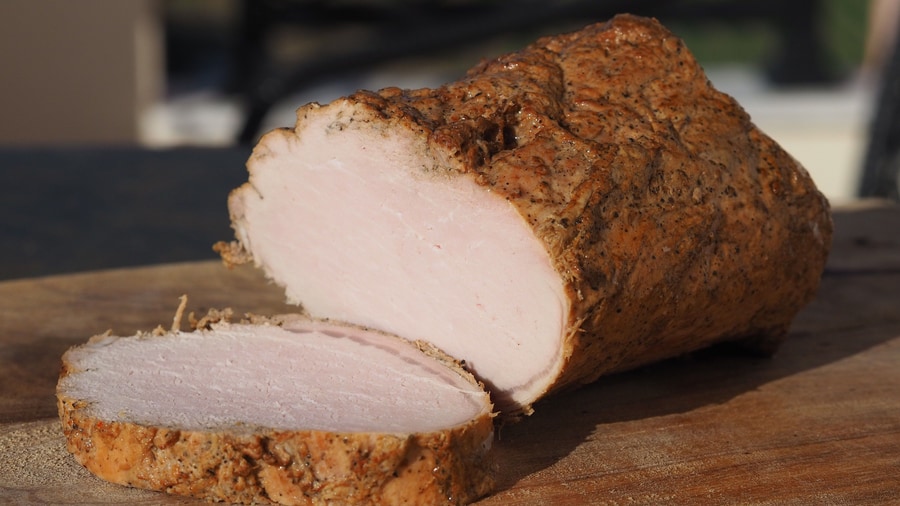
Cretan snails and apaki carry the savoury side. In Cretan cuisine, cooks boil the snails in white wine with bay leaves, celery and onion, then coat them in flour and fry them with rosemary and vinegar. Apaki is cured pork from Crete. It is left to marinate in vinegar and then smoked with aromatic herbs and spices. On a Heraklion food tour, the two plates bring salt, smoke and herbs.
- Snails: Broken snail shells from 10,700 BCE turned up in the Franchthi Cave in the Greek Argolis.
- Apaki: Lists of Greek food products set it among the cured meats, beside kavourmas from northern Greece.
- Staka: This Cretan roux is a cousin of the flour and fat base of French béchamel sauce.
A Heraklion food tour tastes the five plates at the table and leaves the cooking to others. Tasting a finished dish differs from learning to make it, and a Crete cooking class covers that second job with lessons at the stove. The tour stays with flavour: dakos, snails, apaki, staka and olives set salad, fried snails, cured meat and hot cream side by side.
Which drinks does a Heraklion food tour pour?
A Heraklion food tour pours tsikoudia, a grape brandy of Crete that the east of the island calls raki, then rakomelo, which blends raki with honey, and the Cretan wines of Peza and Archanes. Two spirits and one family of wines stand beside the plates.
Tsikoudia is a fragrant pomace brandy of Cretan origin, made from the grapes left after wine pressing. Its relatives include tsipouro from mainland Greece. Ouzo is a different drink: an anise-flavoured aperitif similar to French pastis. Meze are served with spirits such as ouzo, raki and grappa at meyhanes and ouzeria, so tsikoudia fits the old pattern of the table. A Heraklion food tour pours it beside the small plates.
Rakomelo takes its name from raki and meli, the Greek word for honey. It is a digestive spirit that blends raki or tsipouro with honey, then adds cinnamon or cardamom. A basic recipe uses one or two teaspoons of honey for every four shots of raki, plus one clove. Tradition also uses it as a home remedy for a sore throat or cough. A Heraklion food tour pours it as the sweet cousin of tsikoudia.
Peza and Archanes are appellations of Crete, beside Dafnes and Sitia. One fifth of Greek wine comes from Crete, mostly from the Peza region. Archanes is a municipal unit in the Heraklion regional unit, and its economy depends on grape and olive processing and marketing. Since the late 1990s, producers there have worked to convert part of the winemaking, step by step, to organic and integrated farming. A Heraklion food tour pours these wines beside the meze.
- Baked raki: The island of Amorgos makes psimeni from raki, sugar and spices and serves it at room temperature.
- Kotsifali: Winemakers blend this red grape, grown mainly on Crete, with Mandilaria or Syrah to enhance its colour.
- Liatiko: This red grape native to Crete is at its best as a sweet wine.
A Heraklion food tour therefore pours three kinds of drink: a grape brandy, a honey spirit and wine from named Cretan appellations. The first two start from the same raki, and the second adds honey and spice. The wines start from vineyards instead, so one table shows how Crete turns its grapes into three different glasses.
Which sweets does a Heraklion food tour try?
A Heraklion food tour tries bougatsa filled with mizithra, loukoumades, which are fried dough balls soaked in honey, and xerotigana, a sweet Cretan fritter. The three sweets rest on three bases: filo, yeast batter and fried dough, each finished with cheese, honey or cinnamon.
Bougatsa is a Greek pie served at breakfast, and it comes in sweet and savoury forms. The filling changes the pie: semolina custard makes the cream version, feta or mizithra make the cheese versions, and spinach, apple or minced meat fill the others. Mizithra is a whey cheese similar to Italian ricotta, and Crete is its main producer. In Crete, the cheese version takes mizithra from the island, a cheese that is not sweet, and sugar and cinnamon go on the pie. A Heraklion food tour tries that version.
Loukoumades are a mainstay of Greek cooking, in particular in the south of Greece, and a popular street food. The fried dough balls take honey, cinnamon, walnuts or chocolate sauce as toppings. Their roots reach back to enkrides, the dough that ancient Greeks fried and ate with honey. Athenaeus describes enkrides as cakes boiled in oil. A Heraklion food tour tastes a sweet that ancient authors already described.
The Cretan kserotigano is a sweet fritter, and Cretan cuisine lists xerotigana among its desserts beside amygdalopita, patouda and portokalopita. A fritter is a portion of dough or batter that has been deep-fried, and fritters are made in both sweet and savoury forms. The traditional Cretan table also held honey pastry a handful of times each week. A Heraklion food tour adds xerotigana to that honey-pastry tradition.
- Filo: Bougatsa wraps its filling in thin unleavened dough, and filo is Greek for leaf.
- Name: The name traces back to the Roman panis focacius, or hearth bread.
- Batter: Loukoumades were traditionally leavened with yeast, and modern variations sometimes use baking powder.
A Heraklion food tour therefore tastes three sweets from three families: a filo pie, a fried batter and a fritter. Cheese and honey link them, since mizithra fills the bougatsa and honey coats the loukoumades. Each sweet shows how Greek cooks turn a small set of plain ingredients into a finished dessert.
How does a Heraklion food tour connect food and history?
A Heraklion food tour connects food and history through three layers: Minoan grain, olive oil and wine, the Venetian trade in wheat and sweet wine, and Ottoman sweets and coffeehouses. Each layer left a mark on the plate and on the old city around it.
The Minoan table began in the fields around Knossos, the palace on the southern edge of Heraklion. Minoan farmers grew wheat, barley, vetch and chickpeas, and they tended grapes, figs and olives. Olive oil was the main cooking fat, and bees were kept. Lettuce, celery, asparagus and carrots grew wild on Crete. The palaces held very large spaces that appear to have stored farm produce. A Heraklion food tour meets the same base of grain, oil, fruit and pulses.
Venice bought the city in 1204 and renamed it Candia. In 1212 it began to bring Venetian families to Crete, and the meeting of the two cultures fed the Cretan Renaissance. Venice ran a system that exploited the island’s farm produce: wheat and sweet malmsey wine led the exports, with timber and cheese in smaller amounts. Venetian fountains survive in the old centre, among them the Bembo, Priuli, Palmeti, Sagredo and Morosini fountains.
The Ottomans took the city in 1669, and its name became Kandiye. Their kitchen left two marks on Greek food: dishes such as kadaifi and halva, which Greek cuisine inherited from Ottoman cooking, and the coffeehouse, a custom that began in the Ottoman Empire. The two kitchens differed in fat. The Ottoman palace favoured clarified butter, while the Cretan diet used olive oil in salads and in cooking. A Heraklion food tour tastes the Cretan side of that contrast.
- Imports: The Minoans adopted pomegranates from the Near East but not lemons or oranges, and date palms arrived from Egypt.
- Harvest scene: The Harvester Vase shows 27 men led by another, carrying sticks to beat ripe olives from the trees.
- Seafood: Molluscs at Minoan sites show that shellfish were eaten, though grain, olives and animal produce mattered more.
Taken together, these layers explain what a Heraklion food tour serves. Minoan farming supplied grain, oil, wine and fruit, Venice turned farm produce into trade and left its fountains, and Ottoman rule added sweets and coffeehouses. The Cretan table rests on plants and olive oil, so a Heraklion food tour reads as a short history of the island told in food.
When is the best season for a Heraklion food tour?
A Heraklion food tour works in every season, because Heraklion has a hot-summer Mediterranean climate with dry summers and mild winters. Autumn adds the olive harvest, which starts in October, and the village distilling of tsikoudia in late October and early November.
Heraklion lies further south than Athens, so its winters are warmer, while the Aegean Sea keeps its summers cooler. Summer days are dry and warm to hot, with clear skies. The normal summer maximum in Athens runs about 5 °C higher. Winters are mild with moderate rain, snowfall is rare, and the port has never dropped below 1.4 °C. A Heraklion food tour on foot therefore meets sun in summer and rain in winter, but no frost at the port.
In the Mediterranean, olives are harvested in the autumn, from October onwards, and the fruit changes colour from green to violet and then black. The taste of the oil depends on the stage of ripeness at which the olives are collected. Underripe olives tend to give bitter oil, and overripe olives can bring fermentation defects. Table olives follow the same scale: green ones are picked at full size while unripe, and black ones at full maturity.
Grapes pressed for wine leave pomace, the skins, pulp, seeds and stems that remain. Tsikoudia is made by distilling that pomace once, without added flavourings. Villages produce it at home, so its strength varies from one producer to the next, and a village tends to have one or two licensed distillers. Production runs in late October and early November, so a Heraklion food tour in those weeks coincides with the distilling season.
- Greens: Dandelion, chicory, fennel, chard, mallow and wild leeks are among the greens that change with the area and the season.
- Stews: Home cooks stew seasonal vegetables such as green beans, peas, okra, cauliflower, spinach and leeks with olive oil, herbs and tomato sauce.
- Fruit: Fresh and dried fruit were eaten in great amounts, and yogurt with fruit was the common sweet course.
The best season therefore depends on the goal. Summer brings dry, clear days. Autumn adds the olive harvest and the village stills. Winter brings moderate rain and mild air to a Heraklion food tour on foot. Traditional Cretan cooking used seasonal products from the wider local area, so each month changes what a Heraklion food tour finds on the table.
What do travelers ask about a Heraklion food tour?
A Heraklion food tour raises five questions: whether vegetarians are served, whether children can join, whether cruise passengers can book, whether the drinks include alcohol, and how a food tour combines with Knossos.
Does a Heraklion food tour suit vegetarians?
Plants form the base of Cretan cooking, so a Heraklion food tour has ground for vegetarians. Traditional appetizers include raw cardoons, a chicory salad and pickled bulbs of tassel hyacinth, and dairy was eaten daily in low to moderate amounts. Travelers state their diet when booking, and the listing confirms the menu.
Can children join a Heraklion food tour?
Each tour listing sets the minimum age and the group rules, so families check it before booking. The traditional Cretan table starts from plain foods such as pulses, cereals, dairy and fresh fruit, with poultry and fish eaten weekly. Families also ask which stops pour alcohol.
Can cruise passengers join a Heraklion food tour?
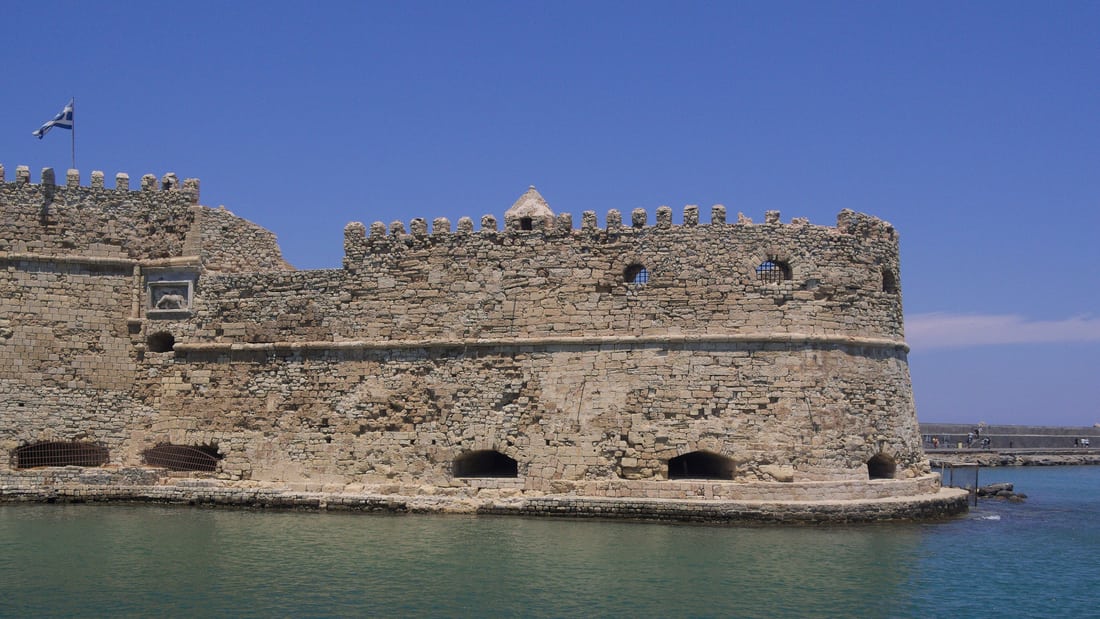
Heraklion is an important shipping port and ferry dock, and the Koules Fortress, the ramparts and the arsenal overlook the harbour. Cruise passengers compare the meeting point and the return point of a Heraklion food tour with the schedule of the ship. The booking listing states whether cruise passengers can join.
Do the drinks on a Heraklion food tour include alcohol?
Alcohol is part of the Cretan table. Traditional meals came with red wine in moderation, and tsikoudia, a grape pomace brandy of 40% to 65% alcohol by volume, follows as a digestif. Strength varies by producer, since villages distil it at home. Travelers who avoid alcohol say so at booking, and the listing shows which tastings pour it.
Can a Heraklion food tour combine with Knossos?
Knossos lies on the southern edge of Heraklion, so the palace and the city can share one trip. The palace dates to about 2000 to 1350 BCE, and the ancient port of Knossos stood within the modern city, near today’s harbour. Knossos is a separate visit with a separate booking, so the two form separate parts of one trip.
Featured photo: C messier, CC BY-SA 4.0, via Wikimedia Commons.